Hanbang: The Korean Herbal Tradition Behind Glass Skin
Ginseng, mugwort, licorice root and green tea — the botanicals of hanbang have shaped Korean beauty for centuries. A look at the heritage inside your favourite products.
Behind the glossy bottles and the glass skin glow of modern K Beauty lies a tradition that stretches back centuries: hanbang. Pronounced "hahn-bahng", the word refers to Korean herbal medicine, and its botanical philosophy quietly informs some of the most beloved Korean skincare ingredients today. Let's explore the heritage inside your favourite products.
What is hanbang?
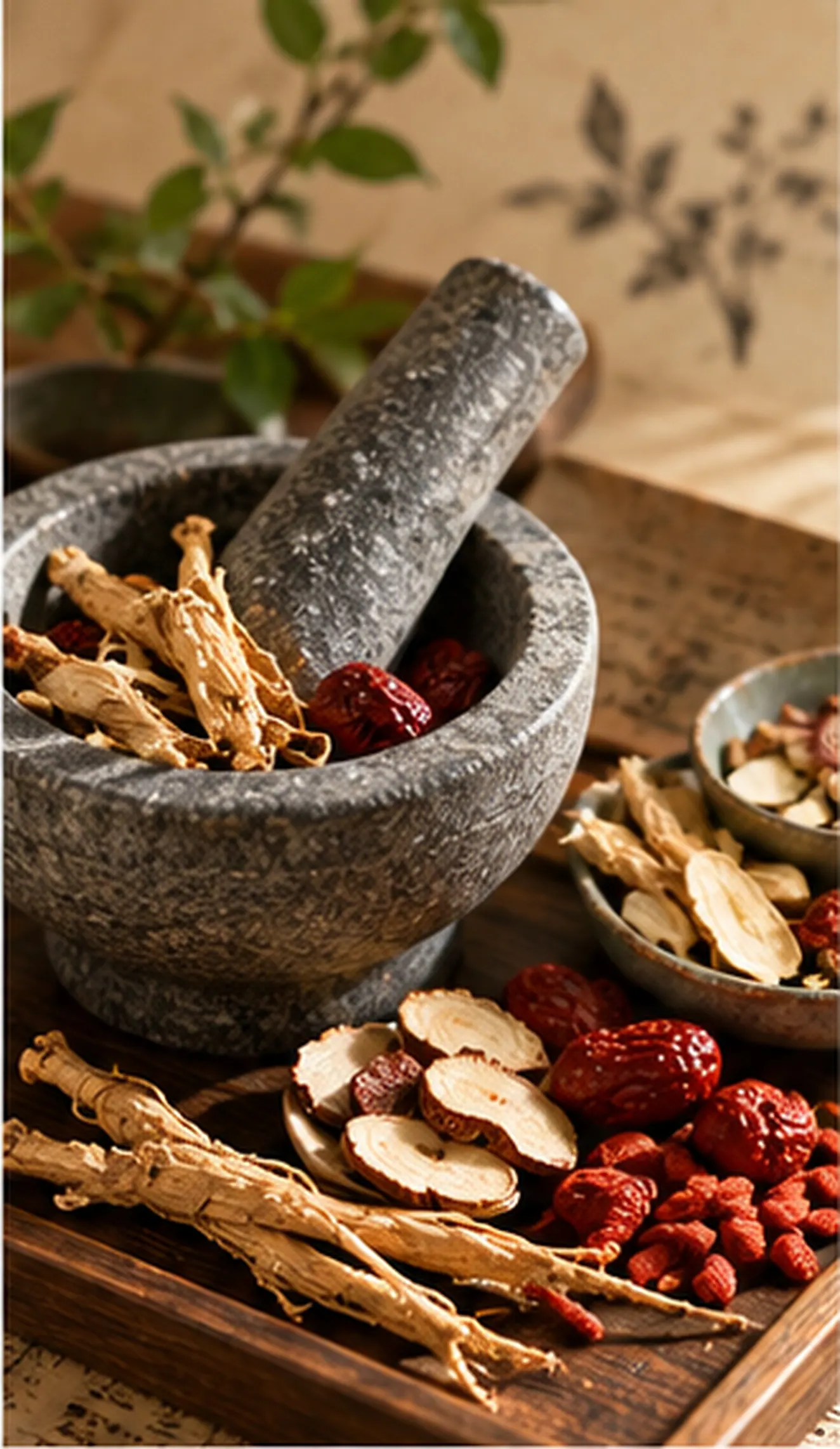
Hanbang is the Korean tradition of herbal medicine, historically used to support balance and wellbeing through natural botanicals. In skincare, hanbang translates into time-honoured ingredients — roots, flowers, leaves and ferments — chosen for their gentle, nurturing character. It's a philosophy of working with the skin rather than forcing results, which is exactly why it pairs so beautifully with the calm, hydration-first spirit of K-Beauty.
Long before "clean beauty" was a phrase, hanbang was already reaching for the garden.
The botanicals to know
Ginseng
Perhaps the most iconic hanbang ingredient, ginseng has been treasured in Korea for centuries. In skincare it's often chosen for its enlivening, revitalising feel and is a favourite in nourishing creams and essences designed to leave skin looking vibrant.
Mugwort (Ssuk)
Mugwort is the soothing darling of modern K-Beauty. Long loved in Korean tradition, it appears in calming toners, masks and cleansers, and is a popular choice for skin that tends to feel sensitive or reactive.
Licorice Root
Licorice root is traditionally used to help support a smooth, even-looking and luminous complexion. It's a gentle, comforting botanical that features in many brightening-style formulas.
Green Tea
Grown in regions like Jeju Island, green tea is rich in botanical antioxidants and prized for its fresh, comforting character. It's a cornerstone of lightweight, everyday hydration.
Fermented ingredients
Fermentation is a hallmark of Korean beauty. Fermented extracts (often labelled as galactomyces or similar) are valued for their lightweight feel and are a signature of that dewy, glass-skin finish.
Why hanbang and holistic care go hand in hand
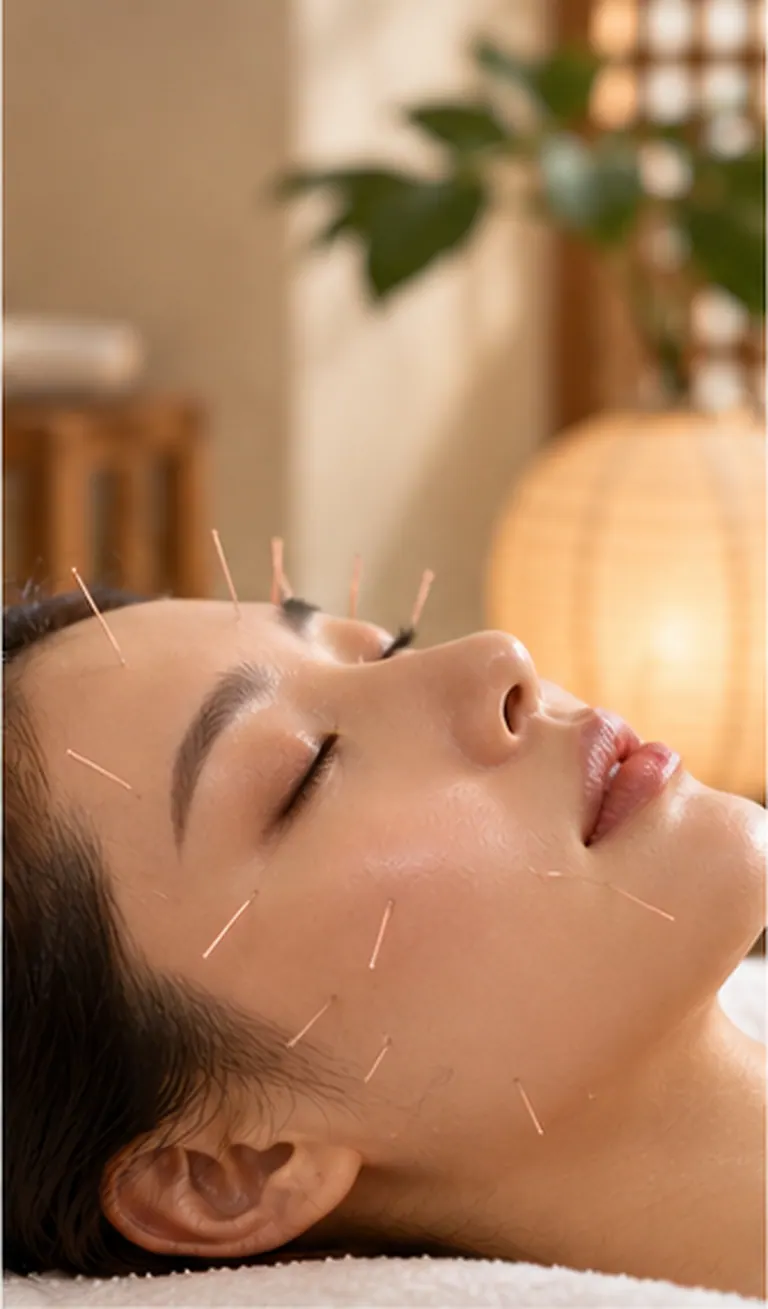
Hanbang's whole-of-body philosophy sits naturally alongside other holistic practices we love, from facial massage to cosmetic acupuncture. Both traditions share a belief that outward radiance reflects inner balance — that caring for the whole self shows up on the skin. It's a gentle, considered worldview, and a lovely antidote to the "more, faster, stronger" noise of so much beauty marketing.
Bringing hanbang into your routine
You don't need to overhaul your shelf. Look for one or two hanbang-inspired heroes — a ginseng essence, a mugwort toner or a green tea moisturiser — and weave them into your existing Korean skincare routine. As always, introduce new products one at a time and give your skin space to respond.
Want help choosing botanicals that suit your skin? Book a friendly consultation and we'll guide you through it.
A gentle note: This article is general wellbeing and beauty information, not medical advice, and individual experiences vary. For guidance specific to your skin or health, please speak with a suitably qualified practitioner.